Found at Fifty: The Surprising Truth About Making Your Best Friends Later in Life
Carol was 54 when she walked into a ceramics studio for the first time. She'd signed up mostly to have something to do on Tuesday evenings, maybe make a few lopsided bowls. She did not expect to find her people.
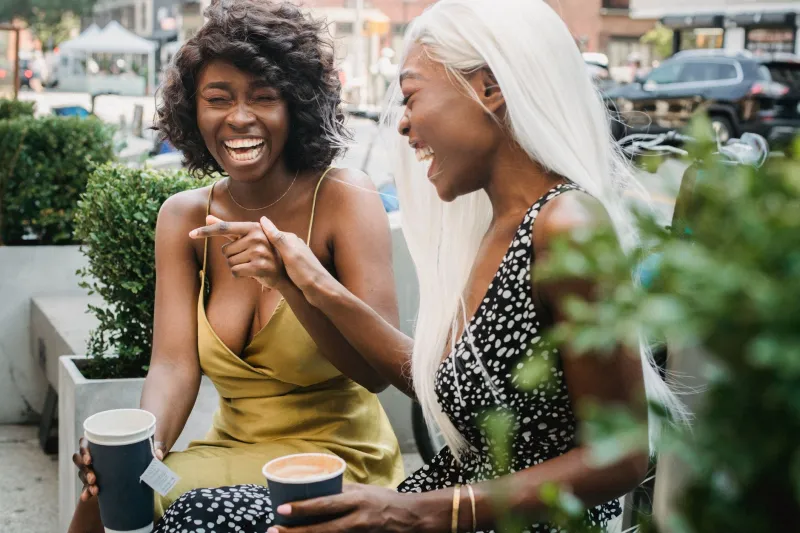
Three years later, she and four women she met in that class text each other almost every day. They've traveled together, sat with each other through illness and divorce, and shown up in ways that Carol says her friendships from earlier decades — the ones formed out of proximity rather than genuine affinity — never quite managed.
"At this age, you don't have time for pretending," she says. "You know who you are. You know what you value. So when you connect with someone, it's real."
Carol's story isn't unusual. In fact, it's becoming more common than most people realize.
The Myth of Peak Friendship
There's a cultural story most of us absorbed without really questioning it: that the friendships formed in youth are the ones that count. The best-friend-since-third-grade narrative. The college roommates who stand at your wedding. The idea that after a certain age, the social window closes and you're working with whatever relationships you've already accumulated.
It's a story that deserves some serious pushback.
Research from institutions including Brigham Young University and AARP suggests that loneliness among adults is at near-epidemic levels in the US — but also that adults who actively invest in friendship in midlife and beyond report some of the highest levels of social satisfaction of any age group. The key word is actively. The friendships that thrive in this season of life don't tend to happen by accident. They happen because people chose them.
Why Later-Life Friendships Can Go Deeper
There are real psychological reasons why the connections formed after 40 can carry a particular kind of depth.
For one thing, most people in midlife have been through something. Loss, failure, reinvention, the humbling process of watching your earlier certainties soften into questions. That lived experience creates a kind of emotional fluency — a capacity for empathy and authenticity that's harder to access at 22, when you're still performing a version of yourself for the world.
"Younger friendships are often about building an identity together," says one therapist who works extensively with adults in life transitions. "Older friendships tend to be about recognizing each other. There's less to prove."
There's also the matter of intentionality. When you're in your 20s or 30s, friendships often form as a byproduct of shared circumstances — the same dorm floor, the same office, the same parenting group. Those friendships can be wonderful, but they're also somewhat accidental. By midlife, most people are more deliberate. They seek out people who share their actual values, not just their current zip code.
Where These Friendships Are Being Born
So where do adults actually find each other? The answer, it turns out, is almost everywhere — once people stop waiting for it to happen organically.
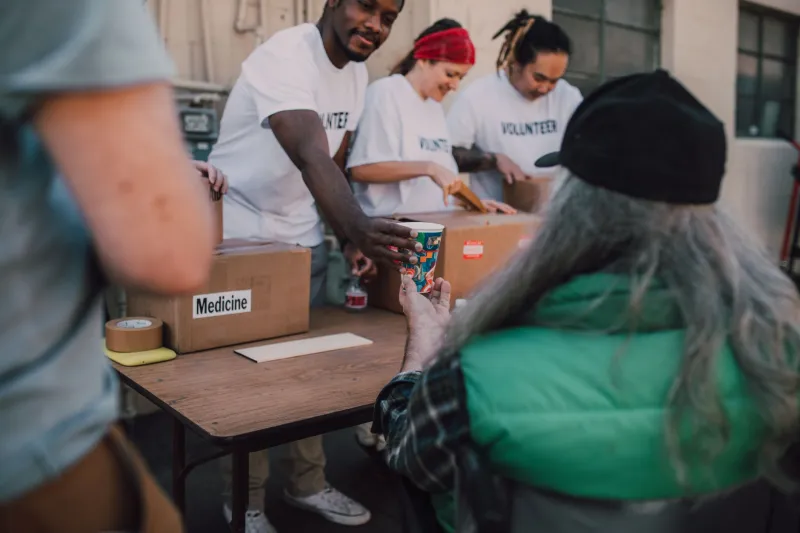
Shared interests and skill-based groups are among the most fertile ground. Book clubs, hiking groups, woodworking classes, choir rehearsals, volunteer organizations — any context where people show up repeatedly around something they genuinely care about creates the conditions for real connection. The shared activity gives people something to talk about while the friendship quietly takes root underneath.
Community involvement is another powerful pathway. People who get involved in local causes — neighborhood associations, school boards, mutual aid groups, faith communities — consistently report forming some of their most durable friendships through that work. There's something about building toward a shared goal that accelerates intimacy in a way that casual socializing rarely does.
Online communities that move offline are increasingly part of the picture too. Adults who connect around shared interests in online spaces — forums, Facebook groups, hobby-specific communities — and then find ways to meet in person are forming friendships that cross geography and demographic lines in genuinely interesting ways.
Real Stories, Real Bonds
Marcus, 61, found his closest friend through a volunteer literacy program in his city. They were assigned to work with the same adult learner and started meeting for coffee to compare notes. "We're completely different people on paper," he says. "Different backgrounds, different politics, different everything. But we both care deeply about this work, and that turned out to be enough to build on."
For Diane, 47, it was a neighborhood running group that started during the pandemic when everyone needed a reason to leave the house. "Half of us had lived near each other for years and barely waved," she says. "Now these are the people I call when something hard happens."
These aren't outliers. They're examples of what becomes possible when adults stop assuming that their social chapter is already written.
Permission to Start Over
If you're reading this and feeling a quiet ache of recognition — maybe a sense that your social life has shrunk, that the friendships you have are more habitual than nourishing — this is your gentle nudge.
You are not too old to find your people. You are not too set in your ways to be surprised by someone. The connections you're capable of making right now, with all the wisdom and self-knowledge you've earned, might be the most meaningful ones of your life.
All it takes is showing up somewhere — a class, a meeting, a volunteer shift — and being willing to let someone see who you actually are.
Carol would tell you it's worth it. She'd probably text you about it on a Tuesday night.